
Getting Started with the Greenway — What to Expect
First time cycling here? Here's what the route actually looks like, where to park, and what to bring.
Read GuideBasic upkeep keeps your bike reliable. We cover chain cleaning, tire pressure, and when to see a mechanic.
You don't need a degree in mechanics. Most bike maintenance is straightforward — things you can learn in an afternoon. The truth? Keeping your bike running well means you'll actually want to ride it. A bike that shifts smoothly, has proper tire pressure, and a clean chain is a bike you'll reach for when the weather looks good.
Plus, you'll save money. A quick chain cleaning costs nothing. A tube replacement runs a few euros. Waiting until something breaks badly and then paying a mechanic? That's when it gets expensive. We'll walk you through what matters most and when you really do need professional help.
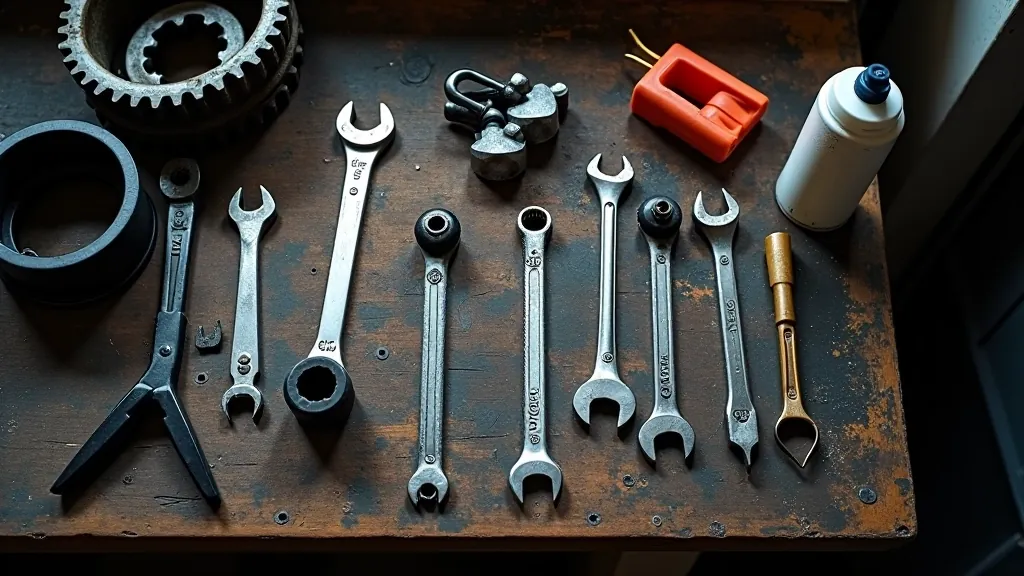
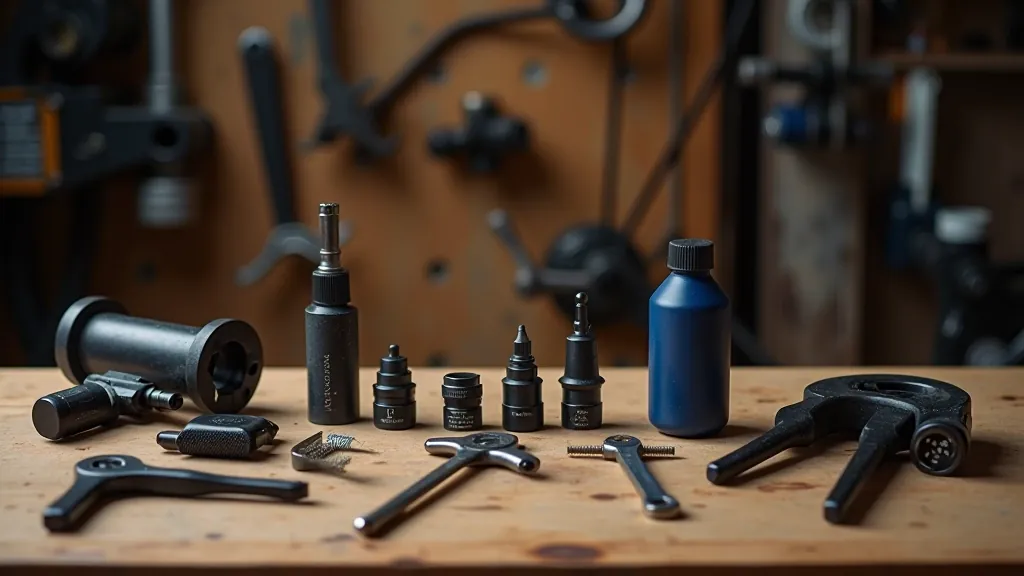
You'll need maybe five tools to handle 90% of maintenance tasks.
Most routine jobs don't take long once you know what you're doing.
Regular maintenance costs almost nothing compared to emergency repairs.
Don't go overboard here. You won't use a €200 workstand if you're just maintaining your own bike. Start with basics and add things only when you find yourself needing them.
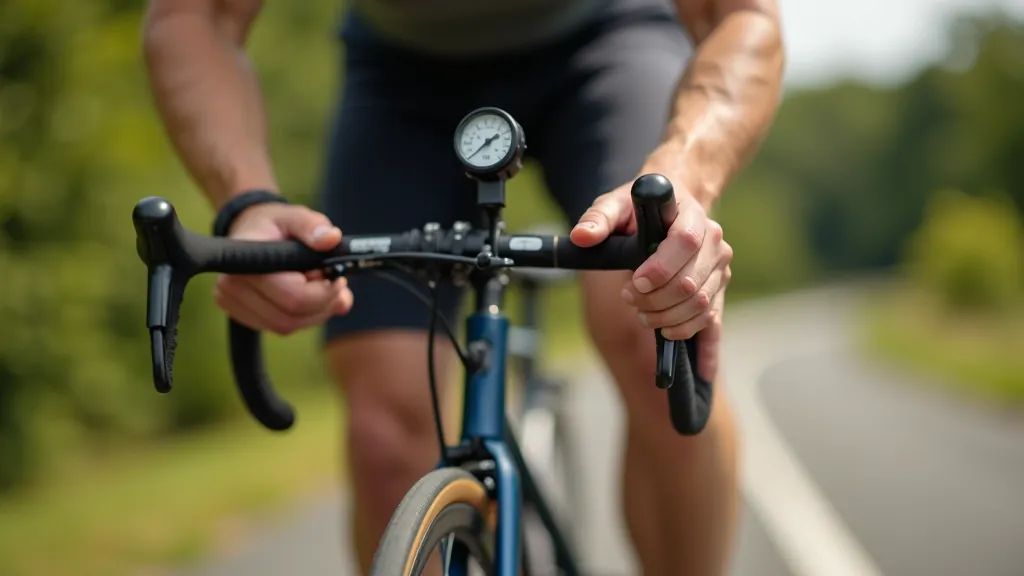
You'll check tire pressure weekly. A floor pump costs €30-50 and lasts years. The gauge tells you if you're in the right range — for road bikes that's usually 90-130 psi, for hybrid bikes around 50-70 psi.
A basic set covers nearly everything — saddle height, handlebar angle, brake lever position. Get a set that includes sizes 2mm through 8mm.
A cheap stiff brush or old toothbrush works. You're just removing dirt and grit. A clean chain runs quieter and lasts longer.
Wet lube for wet weather, dry lube for dry conditions. A small bottle lasts months. Don't over-apply — less is more with chain lube.
These plastic tools help you remove the tire from the rim when you need to replace a tube. They're €3 and fit in a saddlebag.
Every three weeks — or before a longer ride — do a quick check. You're looking for problems before they become problems.
Find the pressure range on your tire sidewall. If it's 50-70 psi and you're at 40, pump it up. It takes 90 seconds.
Give each wheel a spin. It should turn freely without wobbling side-to-side. If it does wobble, the rim might be bent — that's a mechanic job.
Squeeze the levers. They should feel solid and stop you smoothly. If they feel spongy or you're not stopping as well, something needs attention.
Is it covered in black gunk? That's dirt. A quick clean with a brush and some lube keeps it happy. A gunked-up chain doesn't shift well.
A clean chain makes everything better. It shifts smoother, lasts longer, and looks less sad. This takes about 10 minutes and costs nothing.
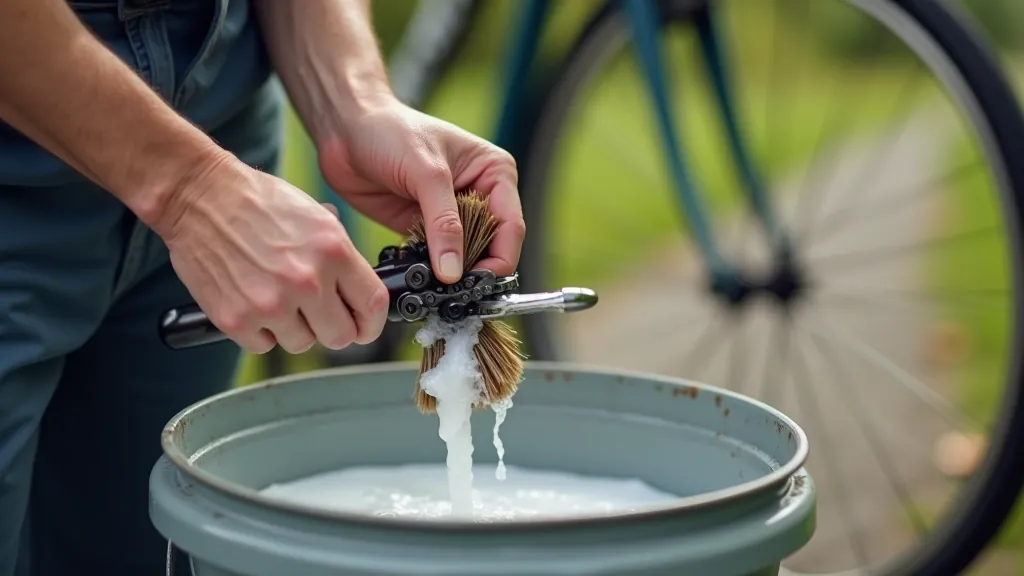
Here's what you do. Shift the chain to the smallest chainring and smallest sprocket — this gives you slack. Grab your stiff brush or old toothbrush and a bucket of warm soapy water. Hold the brush against the chain and spin the pedals backwards about 10 times. You'll see black stuff wash off. That's the grit you want out of there.
Once it's clean, dry it with an old cloth. Then apply lube. Here's the key part: use just a tiny bit. A drop every other link is plenty. Too much lube and you're collecting dirt again. Spin the pedals forward slowly to work it in, then wipe off the excess.
Pro tip: Do this when your chain sounds dry or you notice it's not shifting as cleanly as usual. Don't wait for it to get filthy.
This guide covers basic maintenance you can safely do yourself. If you're not sure about something — brake cable tension, derailleur adjustment, or anything involving the headset — that's the time to visit a mechanic. They're trained for these things and won't charge you much for a quick look. There's no shame in asking for help. A good bike shop is worth finding.
The first time you clean your chain or adjust your tire pressure, you'll be checking instructions. By the third time? You'll do it without thinking. That's the point. You're not becoming a mechanic. You're just learning enough to keep your bike rideable and happy.
A well-maintained bike is a reliable bike. And a reliable bike is one you'll actually use. You'll find yourself reaching for it on nice mornings, heading out to the Greenway with confidence that everything's going to work as it should. That's worth 15 minutes every few weeks.