Getting Started with the Greenway — What to Expect
First time cycling the Great Western Greenway? Here's what the route actually looks like, where to park, and what you'll need to bring to make your day enjoyable and stress-free.
The Route Itself — What You're Getting Into
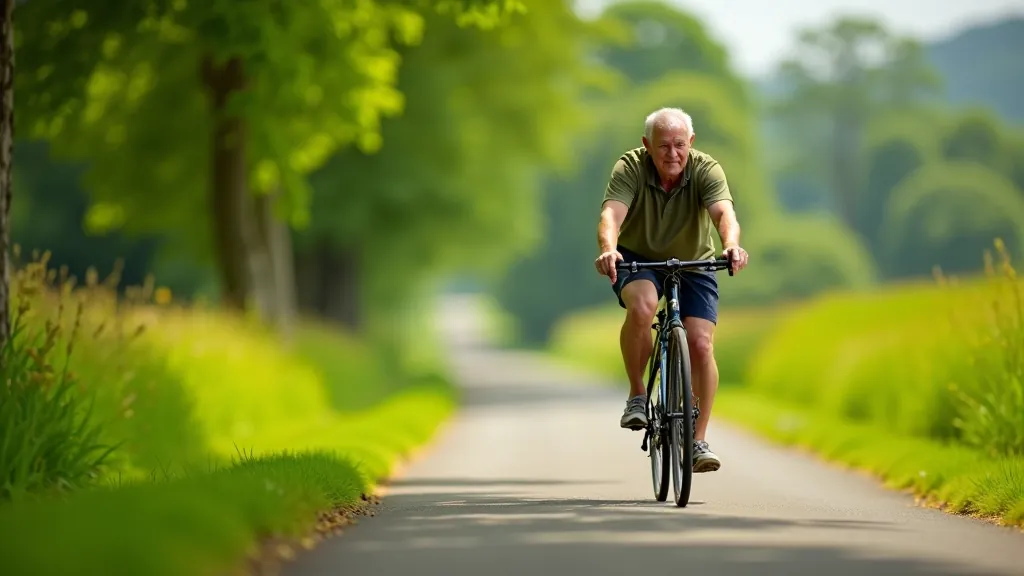
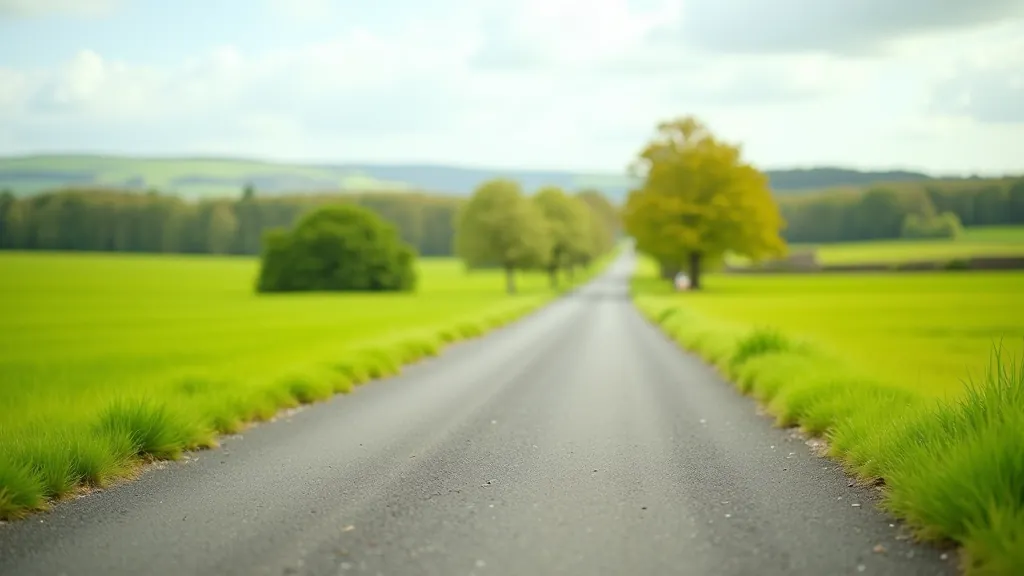
The Great Western Greenway isn't complicated. It's 42 kilometers of flat, paved surface running from Westport to Achill Head. We're talking completely flat — there's barely a hill on the entire route. Most people find this immediately refreshing because you're not fighting gravity. It's just you, your bike, and the scenery.
The path itself is well-maintained. The surface is smooth tarmac, wide enough that you won't feel cramped even when other cyclists pass. You'll cycle through quiet villages, alongside rivers, and past farmland. The whole experience feels unhurried, which is kind of the point. You're not racing. You're out here to enjoy the ride.
Total route length
Completely level terrain
Full route cycling time
Where to Park and Start Your Ride
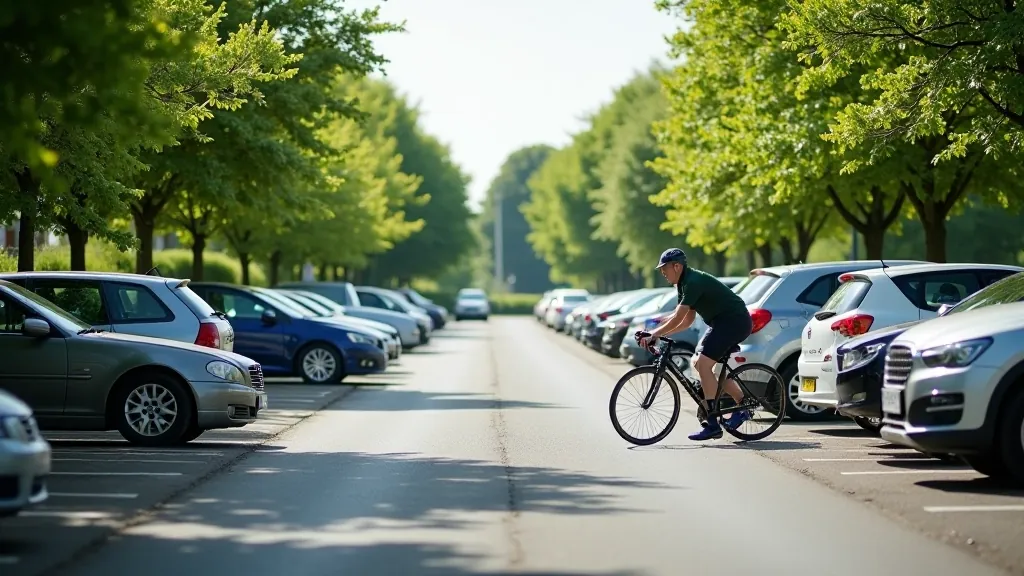
Most people start at Westport. There's a large car park right next to the greenway entrance — you can't miss it. The parking is free and there's usually space even on weekends. From the car park, you're literally walking 30 seconds to the trailhead.
If you don't want to do the full 42 kilometers, that's completely fine. You can cycle out for an hour and turn back. Or drive to one of the midpoint villages like Castlebar or Ballintubber and start from there. The route has multiple access points, so you've got flexibility.
There's also a visitor center near the Westport entrance with toilets, a café, and a bike rental shop if you don't have your own bike. Some people rent for the day, which is a good option if you're not sure you want to invest in a bike yet.
What to Bring — The Essentials
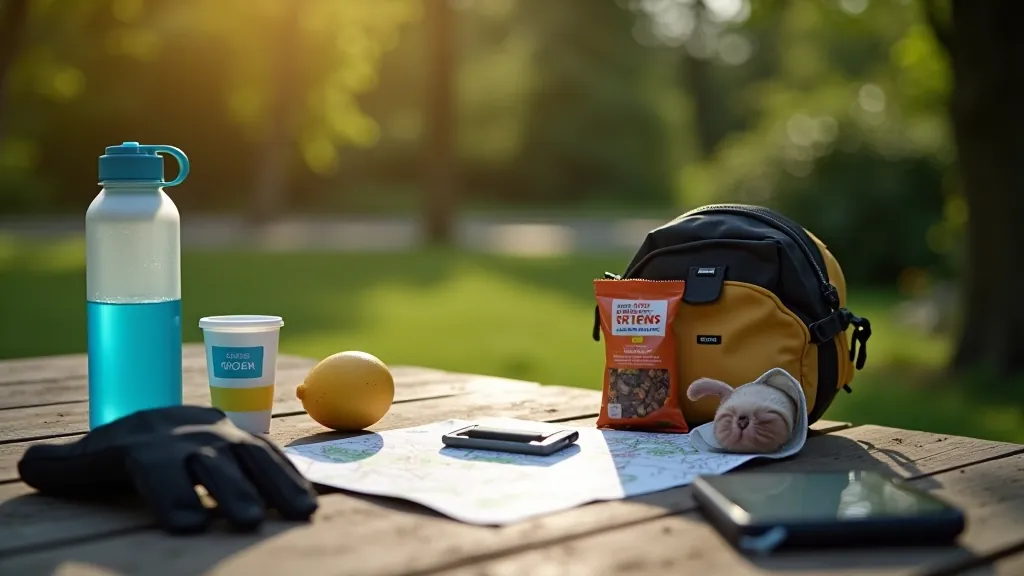
Don't overthink this. You need water — at least 1 liter, more on warm days. Dehydration sneaks up on you when you're cycling, and you'll feel it. Bring a small backpack or use a bottle cage on your bike. Water is the priority.
Bring something to eat. A banana, an energy bar, a sandwich. You're burning energy steadily, and you'll feel hungry after about an hour of cycling. The villages along the route have shops and cafés, but don't count on them if you're riding early or on a quiet day.
Sun protection matters even if the weather looks cloudy. Bring sunscreen and wear it. A hat with a brim helps. You're outside for 3-4 hours with the sun reflecting off the tarmac, and sunburn creeps up on you. Sunglasses reduce eye strain too.
Bring your phone, but keep it in a waterproof pocket. A light rain jacket fits easily in a small backpack. Wear comfortable clothes you don't mind getting dirty — cycling clothes if you have them, or just regular clothes that let you move freely.
Quick Bike Check Before You Go
Tires
Press your thumb against the tire. It should have resistance. If it feels squishy, pump it up. Flat tires make the ride harder and slower.
Brakes
Squeeze both brake levers. They should be firm and responsive. If they feel spongy or don't grip well, get them checked before you ride.
Chain
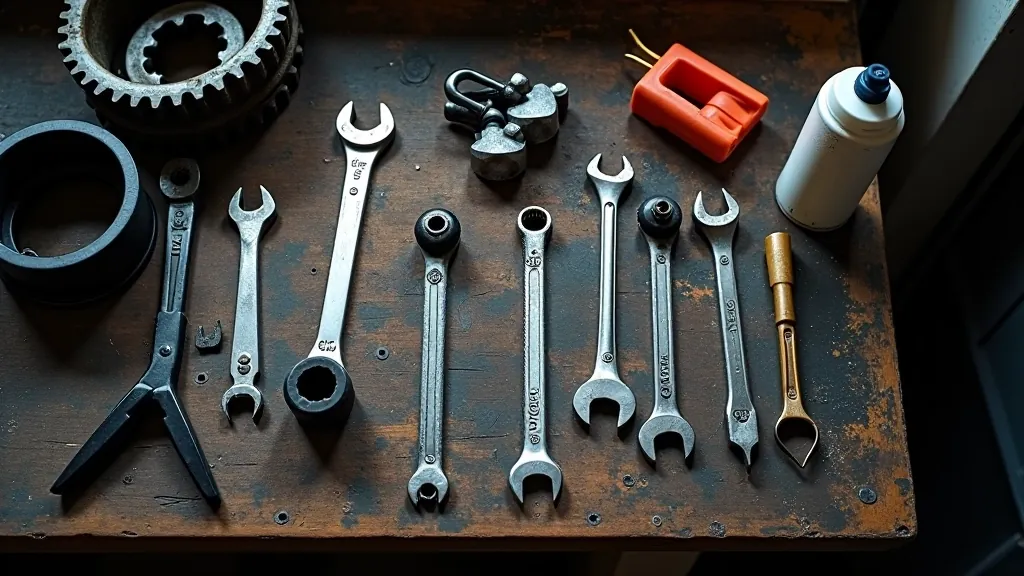
Spin the pedals backward. The chain should move smoothly without grinding or skipping. If it's rusty or sluggish, a quick clean helps.
Seat Height
Sit on the saddle with your leg slightly bent at the bottom of the pedal stroke. You shouldn't be reaching or cramped. Comfort here prevents knee pain later.
What the Experience Actually Feels Like
Your legs will feel it. Even though the greenway is flat, your muscles are working steadily. By kilometer 10 or 15, you'll notice your quads and calves. This isn't pain — it's just the feeling of using muscles. Most people find it satisfying rather than uncomfortable.
Your backside might feel sore if you're not used to bike saddles. This is normal. The soreness usually fades after a few rides as your body adjusts. Some people wear padded shorts or use a gel seat cover, which helps.
You'll notice your breathing. The pace is steady and manageable — you can have a conversation with a cycling partner if you're not pushing hard. If you find yourself breathing so hard you can't speak, ease off. There's no prize for suffering on the greenway.
Time passes differently on a bike. An hour feels shorter than you'd expect because you're distracted by the landscape and the rhythm of pedaling. You'll likely reach a village, stop for tea or a break, and feel like you've just gotten started.
Practical Tips That Actually Help
Start Early
Morning rides mean cooler temperatures, fewer crowds, and you're done before fatigue sets in. Plus, the light is beautiful.
Don't Rush
You're not racing. Ride at a pace where you can breathe comfortably. Stop at villages. The greenway isn't going anywhere.
Stretch After
Ten minutes of stretching your legs, hips, and back prevents soreness the next day. Your body will thank you.
Go With Others
Your first ride is more enjoyable with a friend or cycling buddy. You've got company, shared snack breaks, and encouragement.
Check Weather
Rain isn't fun on the greenway. Check the forecast the night before and pick a day with decent weather for your first ride.
Bring ID & Phone
Just in case. Keep your phone in a waterproof pocket and wear a small bag or backpack with essentials.
Important Note
This guide is informational and based on typical conditions at the Great Western Greenway. Weather, route conditions, and personal fitness levels vary. Always wear appropriate safety gear including a helmet, check your bike before riding, and consider consulting with your doctor before starting a new cycling routine if you have any health concerns. The greenway is open to all users — cyclists, walkers, and runners — so stay aware of others on the path.
Ready to Go?
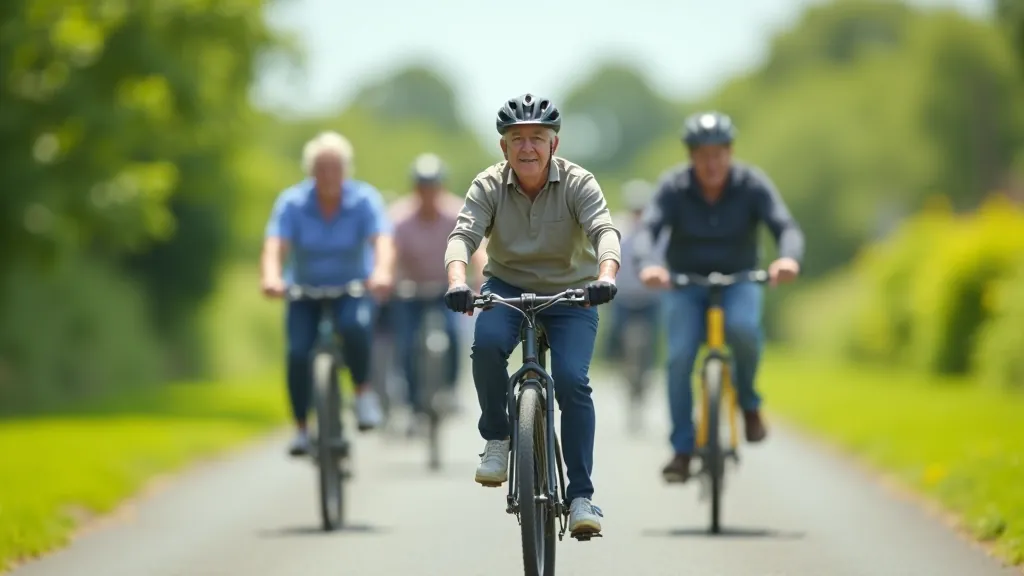
The Great Western Greenway is genuinely accessible. It's not intimidating or overwhelming. You'll see people of all ages and abilities out there — some cycling the whole route, some doing a shorter section, some stopping frequently to enjoy the villages and views.
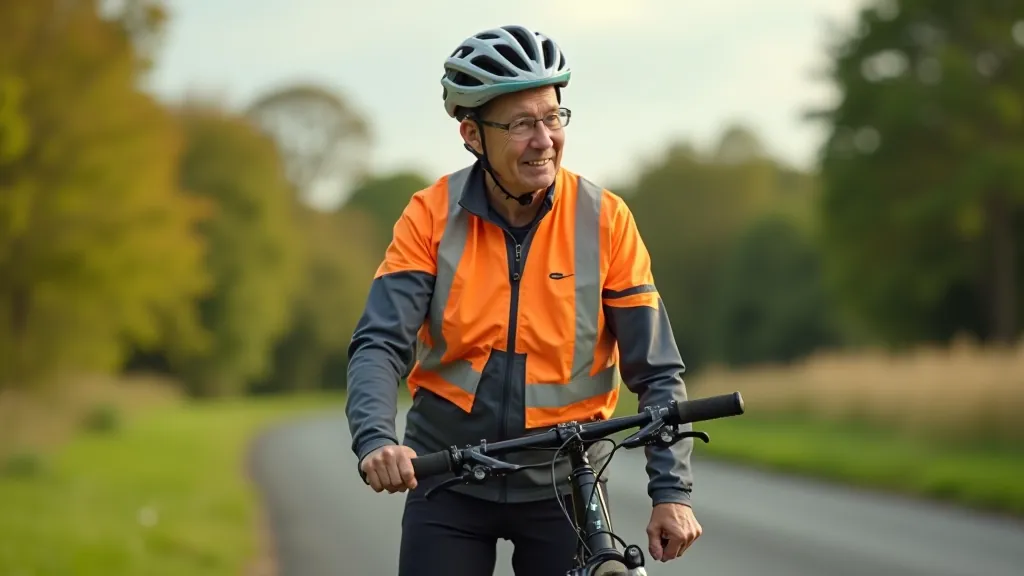
Your first ride doesn't need to be perfect. You'll figure things out as you go. Bring water, wear a helmet, check your brakes, and set a comfortable pace. That's really all you need. You'll be surprised how quickly the kilometers pass and how good you feel when you're done.

More Cycling Guides