Safety First — Gear and Precautions That Matter
From helmets to visibility gear, here's what actually protects you and why it's worth the investment.
Why Gear Matters More Than You Think
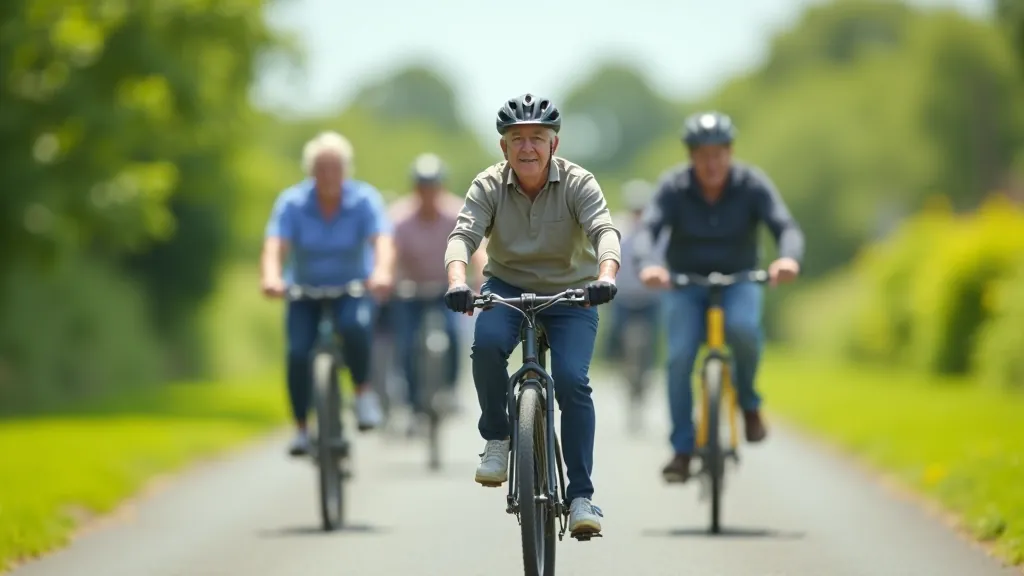
You're heading out for a ride on the Greenway. The weather's decent, the path is smooth, and you've cycled this route a hundred times. So do you really need all that safety equipment?
The answer is yes. It's not about being overly cautious — it's about protecting yourself when things go wrong. And they do go wrong sometimes. A sudden swerve, loose gravel, another rider coming around a corner faster than expected. These aren't catastrophic events, but they're real situations that happen on shared paths.
The good news? Proper gear isn't complicated or expensive. It won't make you look like you're training for the Tour de France. You'll just look like someone who actually knows what they're doing out there.
The Helmet — Your First Line of Defense
Let's start with the obvious one. A helmet isn't optional if you're serious about staying safe. But here's what actually matters: fit matters far more than price.
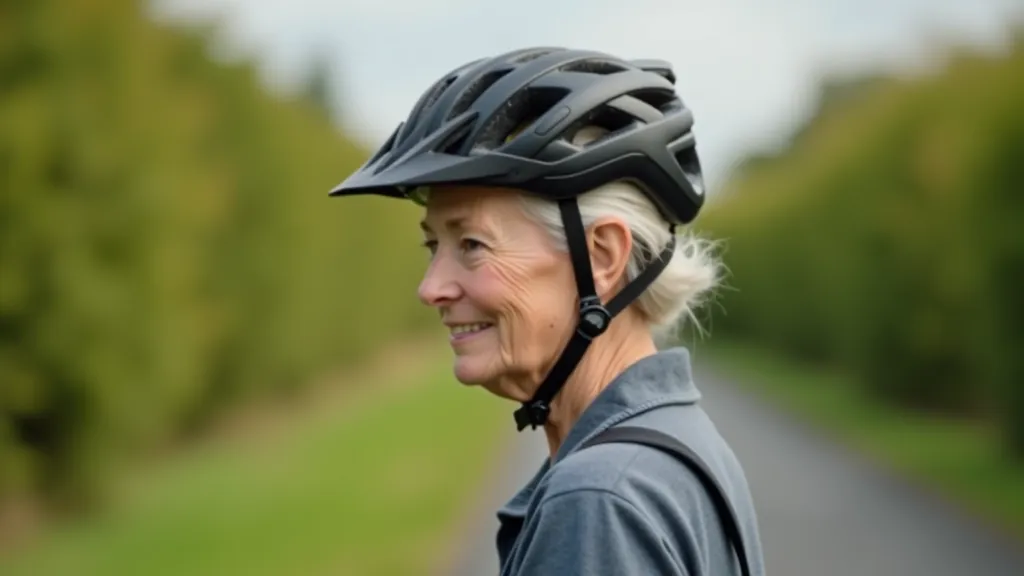
A helmet that doesn't fit properly won't protect you effectively. It should sit level on your head, about an inch above your eyebrows. The straps should form a V-shape under your ears, and you should barely be able to move it side to side. If it's loose or tilted, it won't do its job when you need it.
Helmet Fitting Checklist
- Sits level on head, 1-2 fingers above eyebrows
- Straps form V-shape below ears
- Minimal side-to-side movement
- Snug but not uncomfortable
- Replace if it's been in a crash (even minor)
Don't fall for the myth that you need an expensive helmet. A €50 helmet that fits properly beats a €200 helmet that doesn't. Replace your helmet every 5-7 years or immediately after any impact, no matter how small.
Lights and Reflective Gear — Be Seen
Here's a hard truth: if someone can't see you, they can't avoid you. This matters even more on the Greenway where you're sharing space with pedestrians, other cyclists, and occasional traffic at crossings.
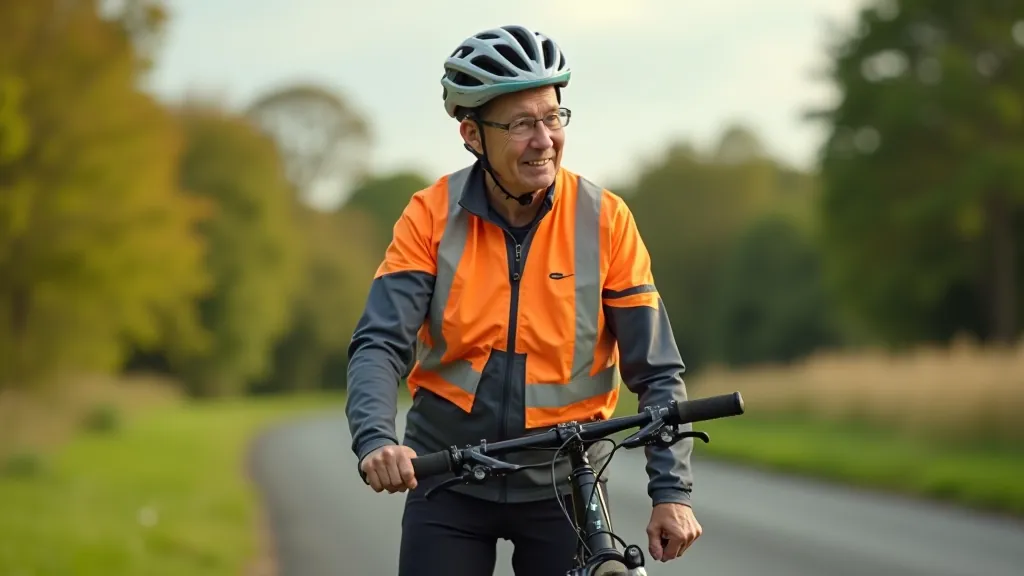
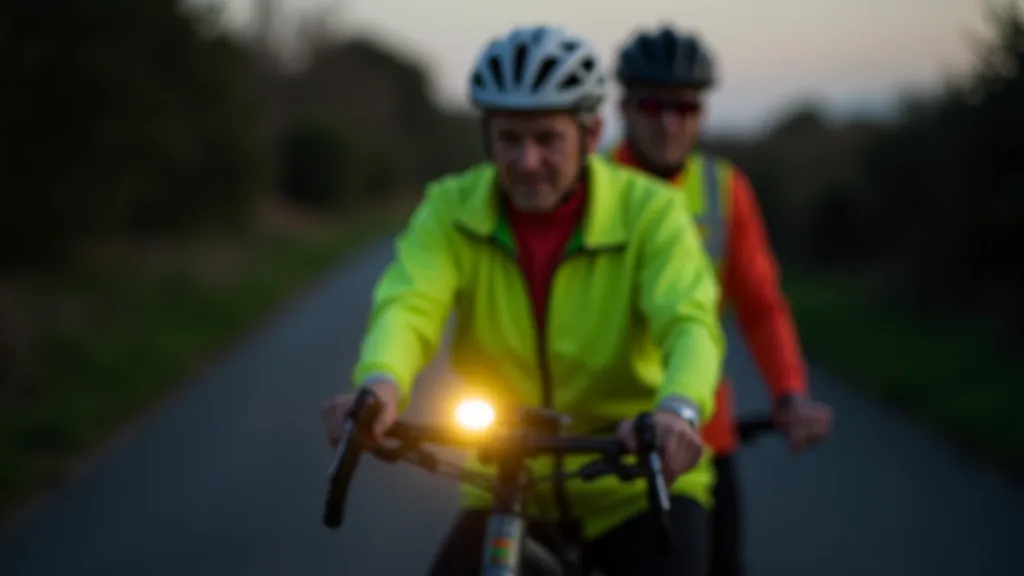
You need two things: lights and reflective clothing. Not optional — both. A white light on the front and a red light on the back should be on whenever you're riding, even in daylight. They're cheap (€15-30 for a decent set) and most run for hours on a single charge.
A reflective vest or jacket adds another layer of protection. You'll be visible from the side as well as front and back. High-visibility yellow or orange works best. Wear it over your regular clothes — you don't need special cycling clothing, just something that makes you visible.
Gloves, Padding, and the Stuff You Don't Think About
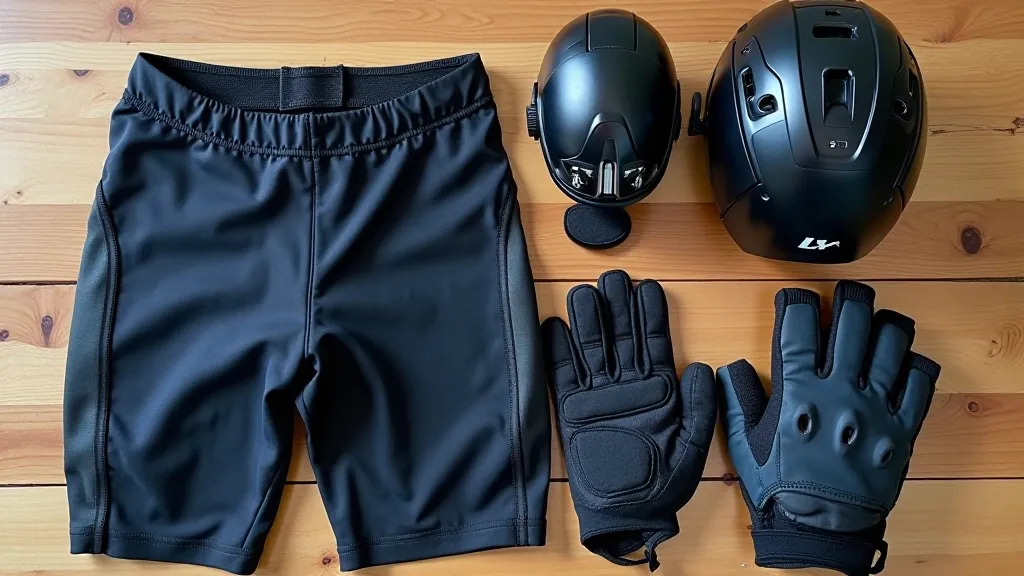
Your instinct when you fall is to catch yourself with your hands. Cycling gloves aren't just for comfort — they protect your palms from road rash, which is painful and takes weeks to heal properly.
Padded cycling shorts or pants aren't a luxury. They protect your sit bones from pressure and, more importantly, your hips and tailbone if you do take a fall. You'll thank yourself after a few rides.
Don't overthink this section. Basic cycling gloves (€10-20) and padded shorts are standard. They're practical investments that make riding more comfortable and safer. You'll notice the difference immediately.
Your Pre-Ride Safety Checklist
Helmet Fitted
Check positioning and strap tension. It should feel snug but not tight.
Lights Working
Test front and rear lights. Charge if needed. They should be bright and visible.
Visibility Gear On
Wear your reflective vest or bright jacket. Make yourself impossible to miss.
Gloves On
Your hands are your first defense. Padded gloves protect and improve grip.
Bike Quick Check
Tires inflated, brakes responsive, chain clean. Safe equipment saves lives.
Route Awareness
Know where you're going. Stay alert for pedestrians and other cyclists.
Important Note
This article provides informational guidance on cycling safety practices. Local traffic laws vary — check your local regulations regarding required safety equipment in your area. Proper technique, awareness, and defensive riding are just as important as gear. If you're new to cycling or returning after a long break, consider consulting with experienced riders or instructors.
You're Equipped and Ready
Safety gear doesn't make you paranoid or overly cautious. It makes you smart. You're taking a reasonable precaution that takes maybe 5 minutes to put on and costs far less than a hospital visit.
Start with the essentials: a properly fitted helmet, lights, and reflective clothing. Add padded shorts and gloves. That's your foundation. Everything else is bonus.
The Greenway is a wonderful place to ride. You'll see amazing scenery, meet other cyclists, and genuinely enjoy the experience. Do it safely, and you'll keep enjoying it for years to come.